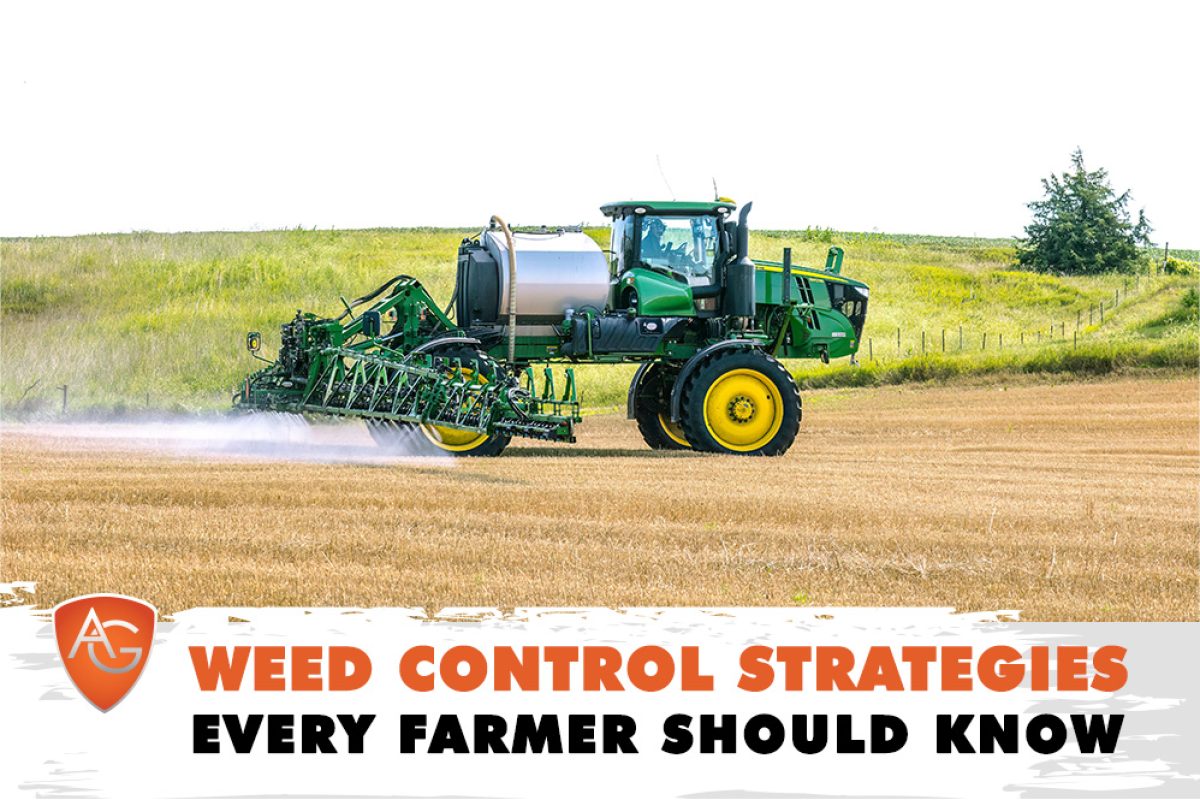
Overview: Learn effective weed control strategies for pastures in Laramie County. Prevent spread, improve forage, and protect grazing productivity year-round!
Weeds don’t take a season off, and neither should your management plan. Across Laramie County, weeds quietly compete with valuable forage, reduce grazing efficiency, and chip away at pasture productivity year after year.
The challenge isn’t just removing weeds once they show up. It’s understanding why they’re there in the first place, and building a strategy that keeps them from coming back stronger.
At All Around Ag, we’ve seen how consistent, practical weed control helps ranchers protect forage quality, reduce feed costs, and get more out of every acre.
Why Do Weeds Take Over Pastures?
Weeds don’t move in randomly; they take advantage of weak ground. Overgrazing, bare soil, poor rest periods, and uneven nutrient distribution create the perfect conditions for weeds to establish.
When forage is strong and competitive, weeds struggle to gain ground. But when pastures are stressed, weeds fill the gaps quickly.
How Can Farmers Prevent Weeds Before They Spread?
Prevention is always more effective than removal. Once weeds mature and seed out, control becomes more difficult and more expensive.
Strong prevention practices include:
-
Maintaining proper stocking rates
-
Rotating grazing areas
-
Avoiding repeated pressure on the same spots
-
Keeping good ground cover year-round
Healthy pasture growth is your first line of defense.
When is the Best Time to Control Weeds?
Timing makes all the difference. The most effective weed control happens early in the growth cycle, before weeds mature and produce seed.
In Laramie County, that often means:
-
Monitoring in late winter and early spring
-
Acting before weeds become visible across the entire pasture
-
Staying consistent year after year
Waiting too long allows weeds to spread faster than they can be managed.
Also Read >> What is the Best Times of Year to Use Weed Killer?
What are the Most Effective Weed Control Methods?
There’s no single solution that works everywhere. The best results come from combining multiple approaches.
Common strategies include:
-
Mechanical control (mowing or cutting before seed production)
-
Targeted herbicide use when necessary
-
Improved grazing management to reduce stress on forage
-
Soil health support to strengthen desirable plants
Using more than one method creates longer-lasting results.
How Does Grazing Management Affect Weed Control?
Grazing is one of the most powerful tools ranchers have — for better or worse.
Poor grazing management leads to:
-
Overgrazed areas where weeds thrive
-
Uneven forage distribution
-
Weak root systems
On the other hand, well-managed grazing:
-
Strengthens desirable forage
-
Improves pasture recovery
-
Reduces open space for weeds
Managing grazing pressure is just as important as treating the weeds themselves.
Can Hay Feeding Impact Weed Spread?
Yes, winter feeding areas can become hotspots for weed growth if not managed properly.
Hay can introduce seeds, and repeated feeding in the same location can create nutrient-heavy zones that encourage weed growth.
To reduce risk:
-
Rotate feeding locations
-
Monitor areas where hay was fed
-
Watch for new weed patches in spring
Even high-quality hay like Timothy, orchard mixes, or alfalfa should be managed carefully to avoid unintended spread.
Why Consistency Matters More Than Quick Fixes
Weed control isn’t a one-time job. A single treatment may reduce visible weeds, but long-term control requires consistent effort.
Ranchers who stay ahead of weeds year after year often see:
-
Stronger forage stands
-
More uniform grazing
-
Lower feed costs
-
Healthier pastures overall
The goal isn’t just removing weeds — it’s building a pasture where they struggle to return.
Frequently Asked Questions (FAQs)
1. What causes weeds to grow in pastures?
Weeds usually grow where pastures are stressed from overgrazing, poor soil health, or bare ground.
2. When should I start weed control?
Early in the growing season is best, before weeds mature and produce seed.
3. Can grazing management reduce weeds?
Yes. Proper rotation and stocking rates help forage stay strong and limit weed growth.
In Summary
Weeds are a sign — not just a problem. They point to areas where pasture health needs attention. By focusing on prevention, timing, and consistent management, ranchers can protect forage quality and keep their land productive.
At All Around Ag, we believe strong pastures and dependable hay go hand in hand. When weed pressure is controlled and forage stays healthy, your entire operation benefits — from grazing season through winter feeding.