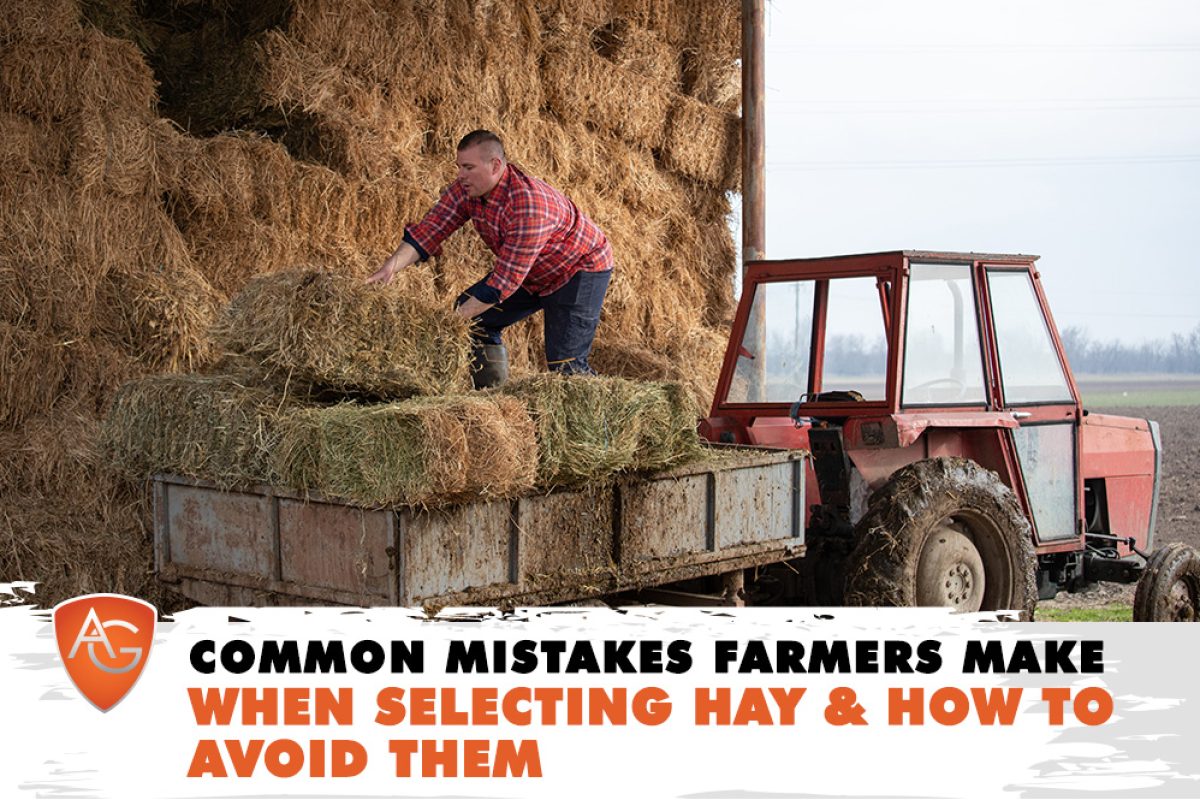
Overview: Learn common mistakes farmers make when selecting hay and how to avoid them. Choose better forage to protect livestock health and feed efficiency!
Selecting hay might seem simple at first glance, but experienced ranchers know it’s one of the most important decisions in a feeding program. The right hay supports livestock health, protects body condition, and stretches your winter supply. The wrong hay can lead to poor performance, wasted feed, and unnecessary expense.
Across Laramie County, hay quality can vary widely depending on growing conditions, harvest timing, and storage. That’s why knowing what to look for and what to avoid makes a real difference.
At All Around Ag, we work with ranchers who want dependable forage they can trust. Avoiding a few common mistakes when selecting hay can keep your herd performing well through every season.
Mistake #1: Choosing Hay Based on Price Alone
Price matters, but focusing only on cost often leads to poor value. Lower-priced hay may look like a bargain until you realize cattle must eat more of it to meet their nutritional needs.
Low-quality hay often results in:
-
Higher feeding volumes
-
Increased waste
-
Slower livestock gains
-
Reduced body condition
Sometimes, a slightly higher-priced option, such as an orchard/alfalfa mix or quality Timothy hay provides more usable nutrition and actually reduces the total amount fed.
The goal is value per pound of nutrition, not just the lowest price per bale.
Mistake #2: Ignoring Livestock Nutritional Needs
Different livestock require different types of forage. Feeding the same hay to every group without considering their needs can create performance problems.
For example:
-
Late-gestation cows benefit from higher-energy hay like straight alfalfa or cow alfalfa.
-
Maintenance cattle often do well with grass hay such as Wyoming Timothy/Garrison.
-
Growing animals need stronger nutritional support.
Matching hay type to livestock stage helps maintain condition and prevents unnecessary supplementation.
Mistake #3: Not Checking Hay Quality Before Buying
Hay quality can’t be judged by the label alone. Before purchasing, it’s important to evaluate the hay itself.
Good hay should have:
-
A clean, fresh smell
-
Minimal dust or mold
-
Consistent green or natural color
-
Firm, well-formed bales
-
Limited weed contamination
Poor storage or improper curing can reduce nutritional value and create health risks for livestock.
Taking a few minutes to inspect hay can prevent months of feeding problems.
Also Read >> Evaluate Hay Quality Based on Sight, Smell, and Feel
Mistake #4: Overlooking Feed Waste
Feed waste quietly drains both hay supply and budget. Loose bales, weather-damaged hay, and poor feeder placement can cause large amounts of forage to be trampled or blown away.
Common causes of waste include:
-
Feeding in windy or exposed areas
-
Overfeeding during storms
-
Using poor-quality bales that cattle avoid
Reducing waste through better hay selection and feeding practices helps stretch winter supplies significantly.
Mistake #5: Failing to Plan Ahead for Winter
Waiting until winter to secure hay often leaves ranchers with fewer choices and higher prices. When cold weather increases demand, supply can tighten quickly.
Planning ahead allows ranchers to:
-
Secure dependable hay early
-
Balance different forage types
-
Prepare for increased winter intake
-
Avoid emergency purchases
Building a well-planned hay supply gives operations stability when winter conditions become unpredictable.
Mistake #6: Buying Hay Without a Feeding Strategy
Hay should fit into an overall feeding plan rather than being purchased randomly. Different types of hay serve different roles within a ration.
A strong feeding program often includes:
-
Energy support hay like alfalfa
-
Balanced forage, such as orchard mixes
-
Steady roughage like Timothy grass or cow hay
Using the right hay at the right time keeps cattle healthy while making the most of your feed supply.
Frequently Asked Questions (FAQs)
1. What type of hay is best for cattle in winter?
Higher-energy hay such as alfalfa or orchard/alfalfa mixes helps cattle maintain body condition during cold weather.
2. How can I tell if hay quality is poor?
Signs include moldy smell, excessive dust, dull color, loose bales, or visible weeds.
3. Why does hay quality affect feeding costs?
Low-quality hay often requires higher feeding volumes and can lead to waste, increasing overall feed expenses.
Smart Hay Selection Protects Your Herd
Selecting hay carefully helps ranchers avoid unnecessary costs and maintain livestock performance throughout the year. When forage quality, livestock needs, and seasonal conditions are considered together, feeding becomes far more efficient.
At All Around Ag, we take pride in helping Laramie County ranchers find dependable hay options — from Timothy grass and orchard mixes to straight alfalfa and cow hay — so every bale works harder for your operation.