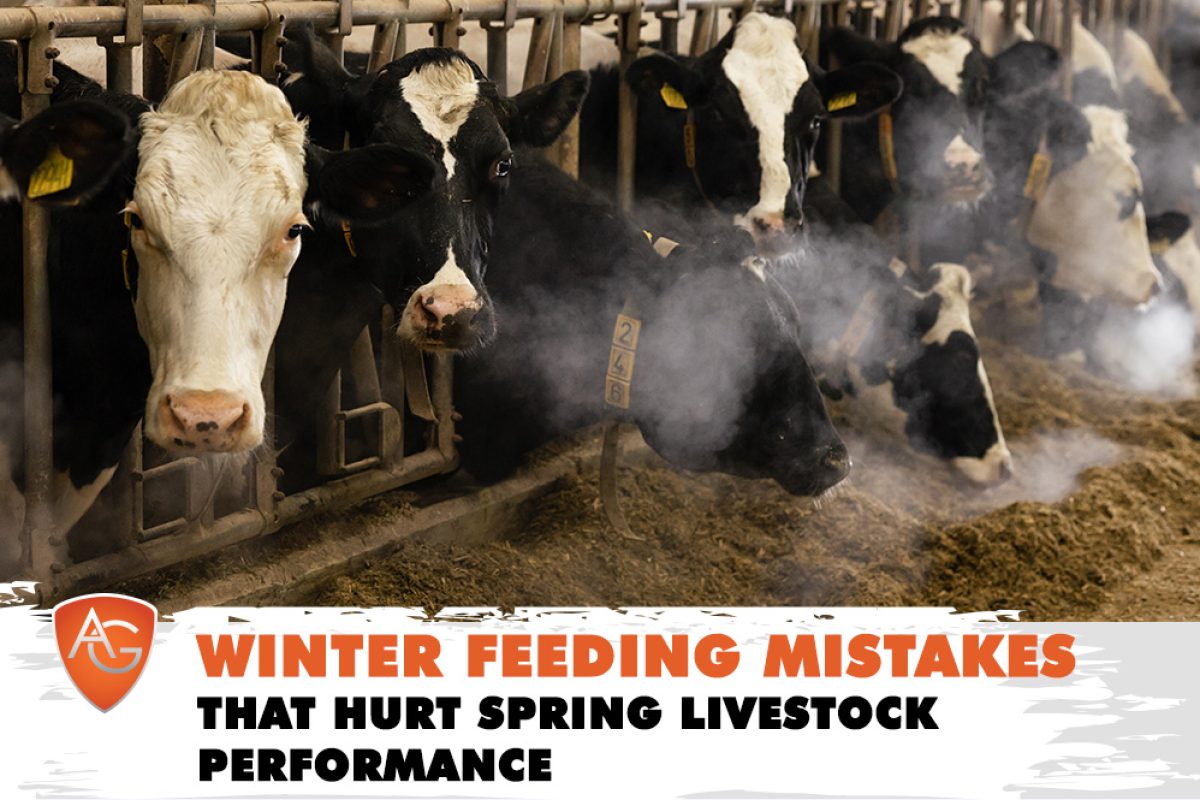
Overview: Winter feeding mistakes impact spring livestock performance. Learn which feeding errors cost condition, gains, and herd health and how to avoid them!
Winter feeding decisions don’t stay in winter. They show up months later in poor body condition, slow gains, weak calves, and higher feed costs than expected. In Wyoming, the way cattle are fed through December, January, and February plays a direct role in how they perform when spring arrives.
At All Around Ag, we see the same pattern every year. Ranchers who stay ahead of winter feeding head into spring with healthier cattle and stronger pastures. Those who struggle often aren’t dealing with a spring problem; they’re dealing with a winter mistake.
Here are the most common winter feeding missteps that quietly undermine spring livestock performance.
Mistake #1: Waiting Too Long to Adjust Rations
One of the biggest winter feeding mistakes is holding onto a fall ration for too long. As temperatures drop and wind chill increases, cattle burn more energy just to maintain body heat. When rations aren’t adjusted early, cattle begin pulling from body reserves.
By the time weight loss becomes noticeable, recovery takes far more feed than prevention ever would.
Cold weather often requires:
-
Increased total intake
-
Higher-energy hay
-
Better timing of feedings
Hay options like straight alfalfa, cow alfalfa, or orchard/alfalfa mixes help meet winter demands before condition slips.
Mistake #2: Relying Too Heavily on Low-Energy Forage
Cow hay, grass hay, and corn stalk rounds can stretch feed supplies, but relying on them alone during deep winter often leads to under-feeding energy.
Cattle may eat more volume, but still fall short nutritionally. This results in:
-
Weight loss
-
Reduced immune response
-
Poor reproductive performance
-
Delayed spring recovery
Balancing roughage with higher-energy options keeps cattle efficient instead of just full.
Mistake #3: Overlooking Water Access
Feed doesn’t work without water. Frozen tanks, long walks to water, or iced-over troughs reduce intake quickly, even when hay is abundant.
When water access drops:
-
Feed intake declines
-
Digestion slows
-
Body condition suffers
-
Spring performance is compromised
Many spring issues trace back to winter hydration problems that went unnoticed during cold weather.
Mistake #4: Letting Cattle Lose Condition Mid-Winter
Some weight loss is expected in winter, but excessive loss creates problems that carry into spring. Thin cattle require more feed to recover, often just as grazing opportunities are limited.
Cattle that enter late winter thin are more likely to:
-
Struggle during calving
-
Produce weaker calves
-
Gain slowly in early grazing
Maintaining condition through winter costs less than rebuilding it later.
Mistake #5: Feeding Without Considering Wind and Exposure
Wind chill increases energy demand significantly. Feeding plans that ignore exposure force cattle to burn calories faster than planned.
Providing:
-
Wind protection
-
Adequate roughage
-
Energy-dense hay during cold snaps
helps cattle use feed efficiently instead of wasting it fighting the cold.
Mistake #6: Ignoring Feed Waste
Hay lost to wind, trampling, or poor feeder placement adds up quickly. Waste increases feeding costs and reduces nutrient intake.
Even small improvements — tighter rations, better feeder placement, or sheltered feeding areas can preserve weeks of feed and protect cattle condition.
Why Winter Mistakes Show Up in Spring
Spring livestock performance depends on more than fresh grass. Cattle that come through winter healthy transition faster, gain better, and require fewer inputs.
Winter feeding mistakes don’t cause immediate failure — they cause delayed setbacks
Frequently Asked Questions (FAQs)
1. How much weight loss is acceptable during winter?
Minor loss can occur, but noticeable or ongoing loss should be addressed immediately to protect spring performance.
2. Can winter feeding mistakes affect calving?
Yes. Poor winter nutrition often leads to weaker cows, reduced milk production, and stressed calves.
3. When should winter rations be adjusted?
Adjust early before cold snaps cause condition loss. Prevention costs less than recovery.
that show up when you least want them to.
Feed With Spring in Mind
Winter feeding is about more than surviving the cold. It’s about setting your herd up for success when green-up begins.
At All Around Ag, we help ranchers build winter feeding programs with dependable hay options — from Timothy grass and orchard mixes to alfalfa and cow hay, so spring starts strong instead of stressful.