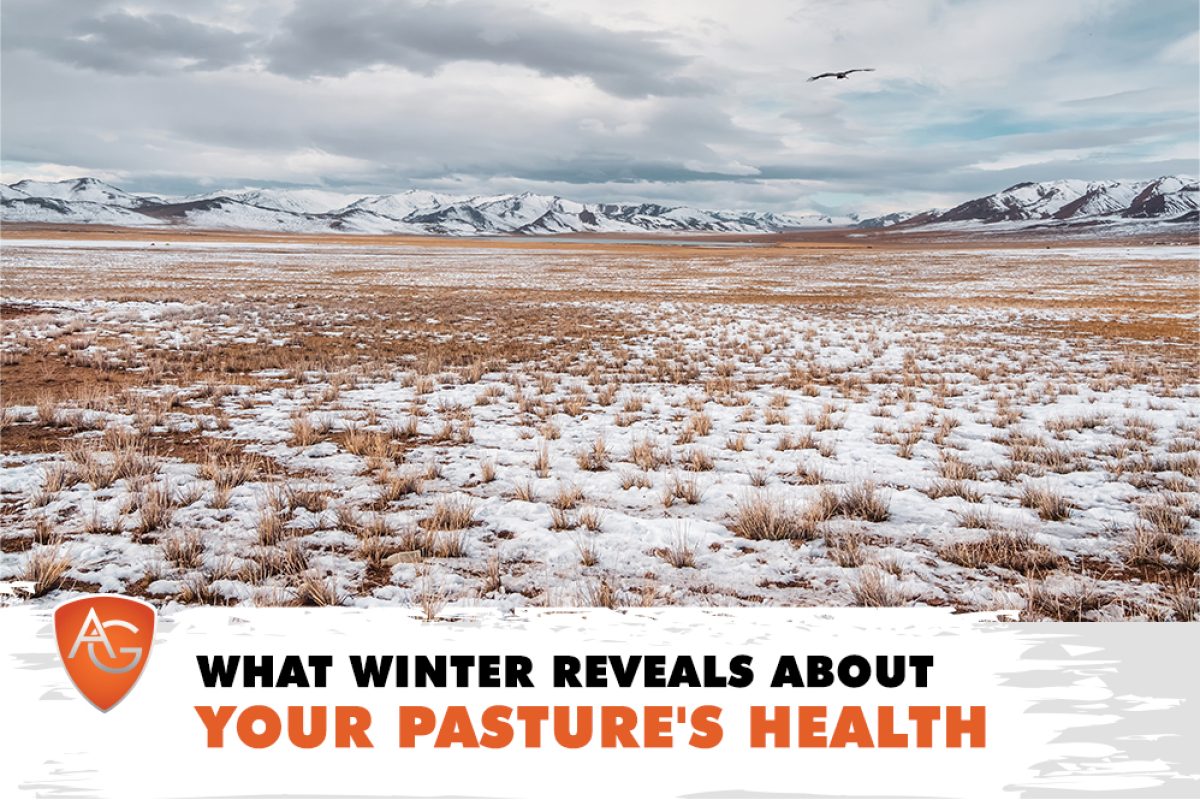
Overview: Winter reveals the truth about pasture health. Learn how bare ground, residue, and weeds expose issues that affect spring grazing success!
Winter has a way of telling the truth. When the grass goes dormant and snow settles in, pastures stop hiding their weaknesses. What looked productive in summer often tells a very different story once cold weather sets in. For ranchers in Wyoming, winter isn’t just a feeding season — it’s an evaluation season.
At All Around Ag, we often say that winter is when pastures speak plainly. Bare spots, poor regrowth, uneven grazing, and weed pressure become easier to spot when forage is no longer masking the land’s condition. Paying attention now can save you time, money, and frustration come spring.
Bare Ground Tells You Where Pressure Was Too Heavy
One of the first things winter reveals is grazing pressure. Areas that are bare or thin once snow melts are often the result of overgrazing, poor rotation, or livestock congregating in the same spots year after year.
Look closely at:
-
Water access points
-
Gates and fence lines
-
Wind-protected corners
-
Areas near mineral tubs or hay feeding sites
These zones often take the hardest hit. While some wear is unavoidable, widespread bare ground signals a pasture that didn’t have enough rest during the growing season.
Left unaddressed, those areas become vulnerable to erosion and weed invasion.
Uneven Residue Shows You What Cattle Avoided
Winter also highlights what cattle didn’t want to graze. Tall, untouched clumps of grass surrounded by short or bare areas point to declining forage quality or species imbalance.
This often means:
-
Mature, stemmy grasses weren’t grazed at the right time
-
Desirable species were eaten too early and too often
-
Less palatable plants gained ground
Pastures with uneven residue struggle to recover evenly in spring. Identifying these areas now allows you to plan better rotation, targeted grazing, or reseeding strategies before turnout.
Weeds Don’t Disappear; They Just Become Obvious
Without green growth to hide them, weeds stand out clearly in winter. Seed heads, stalks, and rosettes are easier to identify once grass go dormant.
Common winter warning signs include:
-
Old seed heads from invasive species
-
Dense patches where forage never returned
-
Areas cattle avoided entirely
These signs tell you where intervention may be needed before spring growth begins. Winter scouting gives you a head start on pasture improvement and helps prevent problems from spreading.
Also Read >> Six Tips for Effective Weed Control
Soil Health Shows Through Structure and Cover
Healthy pastures protect their soil year-round. In winter, that protection comes from leftover residue. If soil is exposed or crusted, it indicates poor ground cover and weakened root systems.
Strong pastures retain:
-
Consistent residue across the field
-
Soil structure that resists compaction
-
Roots that hold moisture and nutrients
Weak ground loses moisture quickly and struggles to support spring growth. Winter gives you a clear picture of which pastures are resilient and which need attention.
Winter Feeding Areas Leave Lasting Marks
Where and how you fed hay during winter matters. Feeding in the same locations year after year can overload soil nutrients in one spot while starving others.
Rotating feeding areas and using hay strategically can:
-
Improve nutrient distribution
-
Reduce mud and compaction
-
Encourage more uniform regrowth
Hay types like Timothy grass, orchard mixes, cow hay, or alfalfa all influence residue and nutrient return differently. Winter shows exactly where those effects land.
Related Reading >> How Fast Should Your Hay Stack Shrink in January
Use Winter Observations to Plan Spring Success
The biggest mistake ranchers make is ignoring winter’s lessons once green-up begins. Those bare spots, weed patches, and uneven areas won’t fix themselves.
Winter is the best time to:
-
Map weak pasture zones
-
Plan rotational changes
-
Schedule reseeding or weed control
-
Adjust stocking rates
Addressing pasture health early supports better grazing, stronger forage, and reduced feed costs later in the year.
Frequently Asked Questions (FAQs)
1. Why is winter a good time to evaluate pasture health?
Dormant forage makes problem areas easier to see, including overgrazed spots, weeds, and uneven residue.
2. Should I make pasture changes during winter?
Winter is ideal for planning. Most physical changes happen in spring, but winter observations guide smart decisions.
3. Can winter feeding damage pastures long-term?
Yes, if feeding areas aren’t rotated. Proper planning reduces compaction and improves nutrient distribution.
Pasture Health Reflects Long-Term Management
Your pasture’s winter appearance isn’t random — it’s the result of months or years of management decisions. The good news is that every season offers a chance to improve.
At All Around Ag, we believe strong herds start with healthy land. Paying attention to what winter reveals helps ranchers build more productive pastures and more sustainable operations for years to come.