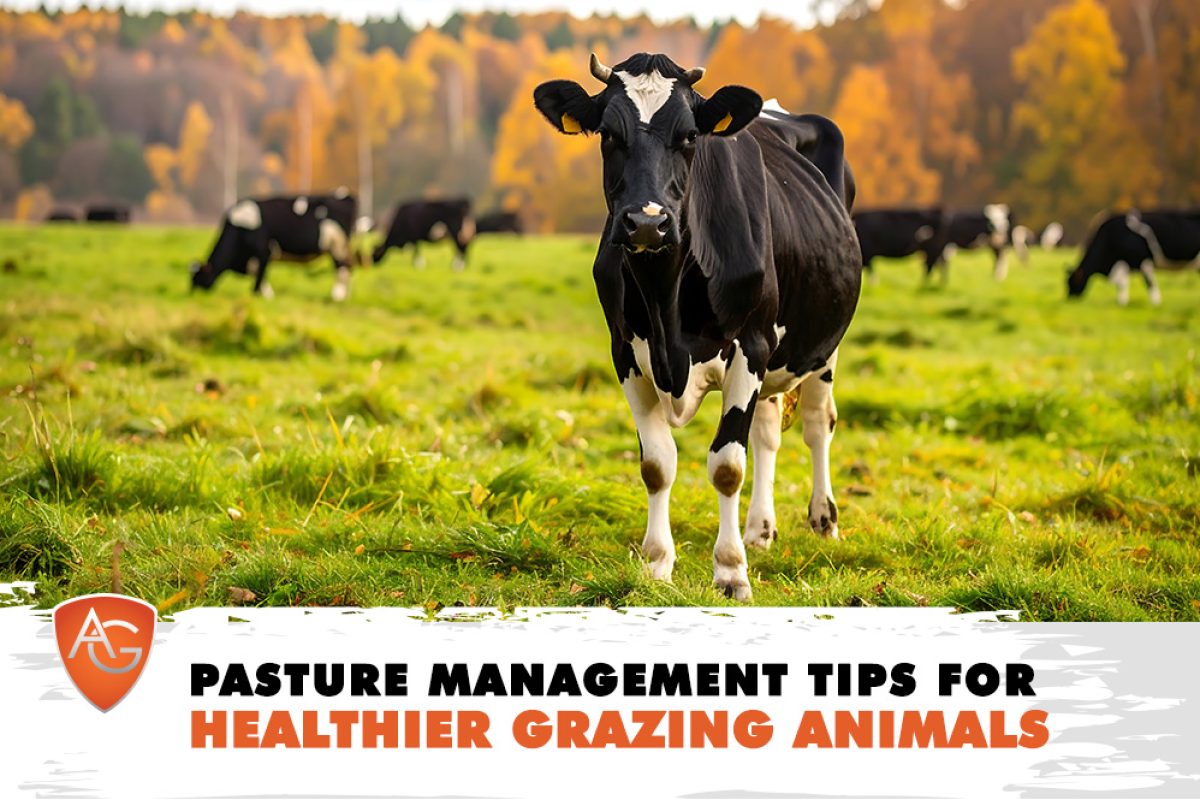
Overview: Learn pasture management tips that support healthier grazing animals. Improve forage growth, reduce overgrazing, and strengthen pasture productivity!
Healthy livestock begin with healthy pastures. While hay plays a critical role during winter and dry seasons, strong pasture management is what keeps grazing animals productive, efficient, and well-conditioned through the warmer months.
In Laramie County, managing pasture isn’t always simple. Weather shifts quickly, grazing pressure can build fast, and certain grass needs time to recover after use. Ranchers who understand how to manage their pastures carefully often see stronger livestock performance, better forage production, and reduced reliance on supplemental feed.
At All Around Ag, we know that well-managed land supports well-fed animals. A few thoughtful pasture management practices can make a significant difference in herd health and long-term grazing success.
What Is Rotational Grazing & Why Does It Improve Pasture Health?
One of the most effective ways to protect pasture health is rotational grazing. Instead of allowing livestock to graze one large area continuously, rotational systems move animals between smaller sections of pasture.
This approach allows grazed areas time to recover before livestock return.
Benefits of rotational grazing include:
-
Stronger root systems in grass
-
More consistent forage growth
-
Reduced soil compaction
-
Improved pasture longevity
Even simple rotation plans can significantly increase the productivity of the land while supporting healthier grazing animals.
How Does Overgrazing Damage Pasture Productivity?
Overgrazing is one of the fastest ways to weaken pasture health. When animals repeatedly graze plants too short, grass struggle to recover and eventually disappear.
Healthy pastures require enough leaf growth for plants to capture sunlight and rebuild energy reserves.
Signs of overgrazing include:
-
Bare soil patches
-
Uneven grazing patterns
-
Declining forage production
-
Increased weed growth
Maintaining proper stocking rates and allowing recovery time helps pastures remain productive year after year.
Also Read >> The dangers of overgrazing and how to properly manage pastures
Why Is Forage Diversity Important for Grazing Animals?
Pastures with a mix of forage species often perform better than single-species stands. Diversity helps pastures withstand dry periods, grazing pressure, and seasonal changes.
Common forage types in the region include:
-
Timothy grass
-
Brome grasses
-
Orchard grass
-
Mixed grass stands
A balanced mix allows livestock to graze efficiently while ensuring that no single plant type becomes overused.
When Is the Best Time to Turn Livestock Out on Pasture?
Timing is just as important as grazing pressure. Grazing too early in the growing season can weaken young plants before they fully establish.
Allowing grass time to develop early growth helps:
-
Strengthen root systems
-
Improve forage density
-
Support long-term pasture productivity
Waiting for proper growth before turning livestock out protects both the pasture and the animals that depend on it.
How Often Should Ranchers Monitor Pasture Condition?
Pasture health changes throughout the season. Regular observation helps ranchers catch issues early before they spread.
Walk pastures occasionally and look for:
-
Changes in forage density
-
Areas where cattle avoid grazing
-
Emerging weed patches
-
Soil exposure or erosion
These signs help guide adjustments to grazing plans, stocking levels, or pasture recovery time.
When Should Hay Be Used to Support Pasture Health?
Even well-managed pastures sometimes require support. Weather conditions, drought, or seasonal pressure can limit available forage.
In these situations, supplementing with dependable hay helps protect both livestock and pasture health.
Hay options such as:
-
Timothy grass hay
-
Orchard mixes
-
Cow hay
-
Alfalfa
can relieve grazing pressure and allow pastures time to recover.
Using hay strategically prevents long-term pasture damage while maintaining livestock condition.
Frequently Asked Questions (FAQs)
How can ranchers improve pasture health?
Ranchers improve pasture health by rotating grazing areas, preventing overgrazing, and allowing grass time to recover. Maintaining soil cover and monitoring weeds also helps pastures stay productive.
What grazing system works best for cattle in Wyoming?
Many Wyoming ranchers use rotational grazing because it allows pastures time to recover. Moving cattle between sections helps maintain forage quality and pasture longevity.
Why are healthy pastures important for livestock?
Healthy pastures provide consistent nutrition for grazing animals. Strong forage supports better weight gain, improved herd health, and reduced reliance on supplemental feed.
In Summary
Healthy pastures don’t happen by accident. They’re the result of steady management, careful grazing decisions, and paying attention to what the land is telling you. When ranchers protect their pasture health, livestock benefit with better nutrition, stronger performance, and longer grazing seasons.
With thoughtful pasture management and dependable hay when needed, operations across Laramie County can keep both their land and their herds thriving year after year.