Overview: Learn how prickly pear cactus affects grazing areas in Wyoming. Protect pasture health, forage quality, and livestock performance with smart management!
Out on Wyoming pastureland, not every grazing problem announces itself right away. Sometimes it creeps in slowly — a little less grass here, cattle avoiding certain areas there, and before long, a once-productive section of pasture becomes harder to use efficiently. One plant that often causes this quiet shift is prickly pear cactus.
At first glance, prickly pear may seem harmless compared to larger weed infestations. But across Laramie County, this tough, spiny plant can gradually reduce grazing access, crowd out valuable forage, and create problems for livestock if left unmanaged.
At All Around Ag, we know that protecting pasture health means paying attention to the smaller warning signs before they become larger setbacks.
What is Prickly Pear Cactus?
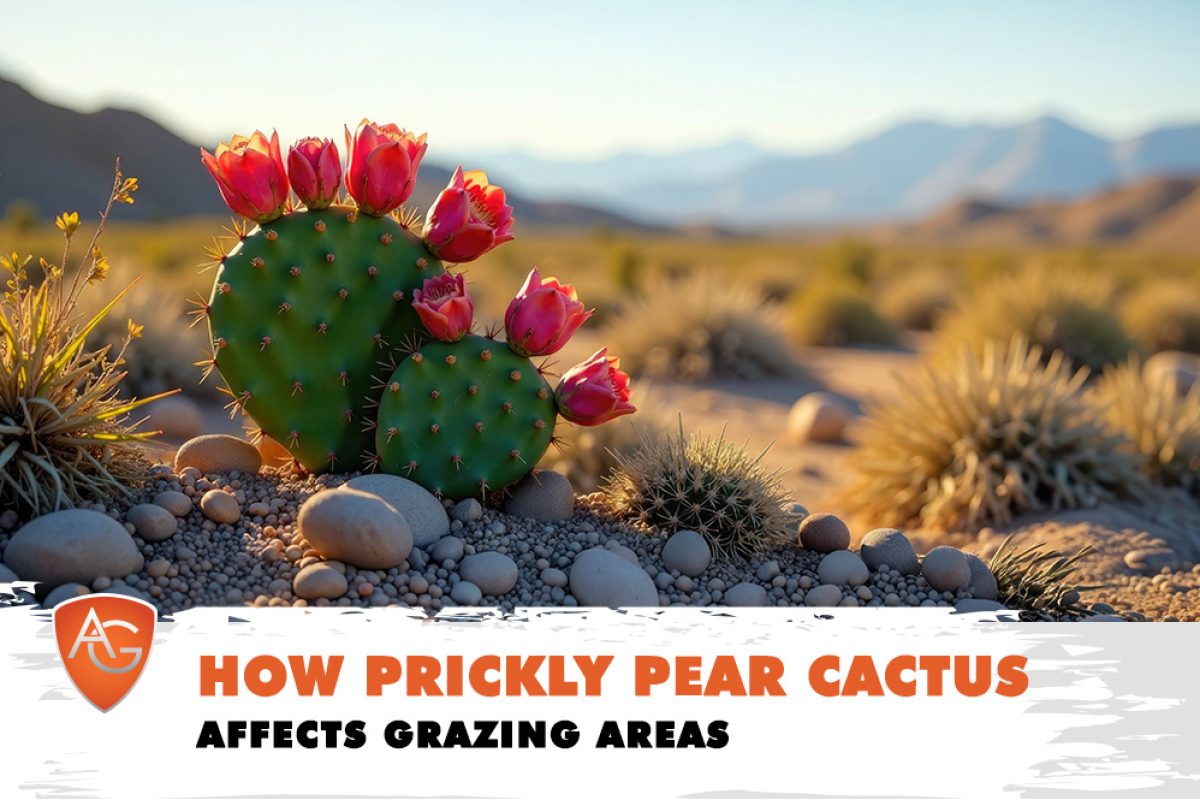
Prickly pear cactus is a drought-tolerant plant commonly found across dry grazing regions in Wyoming and the western United States. It spreads low across the ground with flat, paddle-shaped segments covered in sharp spines and fine hair-like prickles.
Why does prickly pear spread so easily?
Prickly pear thrives in:
-
Dry, stressed pasture conditions
-
Overgrazed areas
-
Thin forage stands
-
Ground with poor recovery
Once established, it spreads steadily and competes directly with healthy grazing forage.
Why Wyoming pastures are vulnerable
Laramie County’s dry climate and fluctuating grazing pressure create conditions where prickly pear can gain ground quickly if pasture health weakens.
Also Read >> What is a Prickly Pear Plant? Exploring Essentials & Trivia
How Does Prickly Pear Cactus Affect Grazing Areas?
Prickly pear reduces the amount of usable pasture available to livestock. Cattle naturally avoid heavily infested areas because of the sharp spines, which limit grazing efficiency.
Common grazing problems caused by prickly pear
Infestations can lead to:
-
Reduced forage access
-
Uneven grazing patterns
-
Lower pasture productivity
-
Increased pressure on healthy grazing areas
As cattle avoid cactus-heavy spots, the remaining pasture often becomes overgrazed.
Small infestations become larger problems
Even scattered cactus patches can expand over time if left unmanaged. What starts as a few isolated plants can eventually take over valuable grazing ground.
Can Prickly Pear Harm Livestock?
Yes, especially when forage becomes limited.
How cactus affects cattle
Livestock may accidentally consume cactus pads during dry conditions or when pasture availability declines. This can cause:
-
Mouth irritation
-
Digestive discomfort
-
Reduced feed intake
-
Stress during grazing
The sharp spines can also injure eyes, noses, and mouths if cattle are forced into heavily infested areas.
Why healthy forage matters
Strong pasture growth reduces the likelihood of livestock grazing around cactus and helps minimize contact altogether.
Why Does Prickly Pear Often Signal Pasture Stress?
Prickly pear rarely takes over a healthy, competitive pasture on its own. It usually appears where grazing pressure, drought, or weak forage has already stressed the land.
Common conditions that encourage cactus growth
These include:
-
Overgrazing
-
Bare soil exposure
-
Weak grass density
-
Lack of pasture recovery time
Healthy forage naturally competes against invasive growth and limits open space where cactus can spread.
Prevention starts with pasture management
Strong rotational grazing, proper stocking rates, and consistent pasture monitoring help reduce conditions where prickly pear thrives.
How Can Ranchers Manage Prickly Pear Cactus?
Successful management usually requires a combination of pasture improvement and direct control methods.
Effective management strategies
Common approaches include:
-
Improving grazing rotation
-
Encouraging healthy forage recovery
-
Spot treatment when necessary
-
Monitoring patches early before they spread
Consistency matters more than quick fixes.
Long-term pasture health is the real solution
Removing cactus without improving pasture conditions often leads to regrowth later. Healthy ground remains the best long-term defense.
Frequently Asked Questions (FAQs)
1. Why is prickly pear cactus bad for grazing land?
It reduces usable forage space and causes cattle to avoid affected areas, lowering grazing efficiency.
2. Can cattle eat prickly pear cactus?
They may consume it during poor forage conditions, but the spines can cause irritation and discomfort.
3. How can ranchers prevent prickly pear from spreading?
Healthy pasture management, rotational grazing, and early monitoring help reduce cactus growth.
Healthy Pastures Leave Less Room for Problems
Prickly pear cactus may seem like a small issue at first, but over time, it can quietly reduce pasture productivity and create unnecessary pressure on grazing animals. Paying attention early helps ranchers protect both their forage and their livestock.
At All Around Ag, we believe strong pasture management is the foundation of healthy ranch operations. When forage stays healthy and grazing is managed carefully, your land remains productive, your livestock performs better, and unwanted plants have less opportunity to spread.